Osaka Ramen Tour: Kansai Style, Best Shops & Street Food Context
Osaka is not Japan's most famous ramen city — that ranking goes to Sapporo, Fukuoka, or Tokyo depending on which style you prefer. But osaka has a ramen identity that's worth understanding before dismissing it: light, clear broths derived from the same dashi principles that define all osaka food, chicken-based soups so refined they look pale against the heavy pork-bone tonkotsu styles from other regions, and an izakaya culture where ramen appears as a late-night closer rather than a standalone meal. This osaka ramen tour guide covers what to order, where to go, and how ramen fits into the wider osaka street food picture.
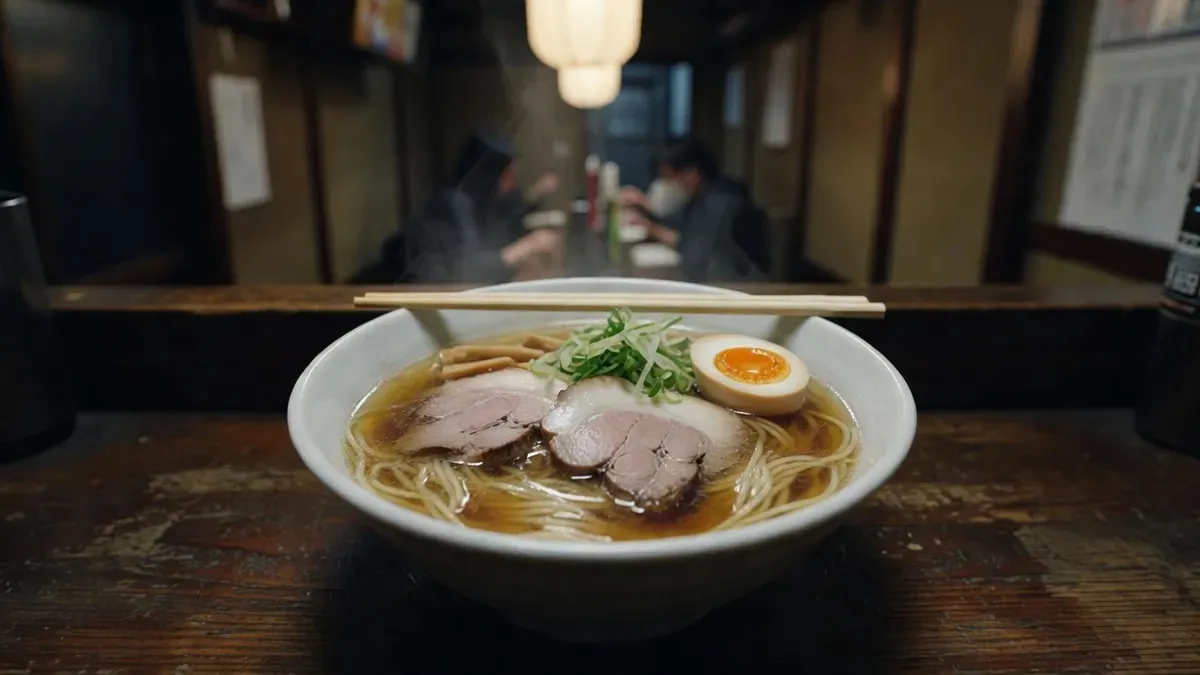
Osaka Ramen Styles: What Makes Kansai Ramen Different
The Osaka Approach to Ramen: Light Broth, Kansai Character
Ramen reached osaka in the early 20th century via chinese immigrants to the Dotonbori area. The Kansai region's established food culture — characterised by light dashi broths, a preference for restrained seasoning, and the use of kombu as a primary flavour base — shaped osaka ramen in a specific direction: away from the heavy, opaque tonkotsu broths of Fukuoka, and toward clear, nuanced soups that showcase ingredient quality rather than intensity.
Osaka's most distinctive ramen style is tori chintan (clear chicken broth) — a transparent, amber-coloured soup made by simmering whole chickens at a low temperature to extract gelatin and flavour without clouding the liquid. The result looks delicate but has an extremely deep umami backbone. This is technically demanding ramen to produce and tends to be made by specialist shops rather than chain operations.
| Style | Broth Base | Appearance | Key Flavour | Best For |
|---|---|---|---|---|
| Tori chintan | Clear chicken | Transparent golden | Clean, deep umami | Ramen connoisseurs |
| Shio (salt) | Chicken + seafood | Pale, clear | Delicate, mineral | First-time osaka ramen |
| Shoyu (soy sauce) | Chicken or pork + soy | Light brown, clear | Savoury, familiar | Everyday dining |
| Kotteri (rich) | Pork bone or chicken | Opaque white/brown | Rich, heavy | After a late night |
| Maze soba | No broth (dry) | None — tossed noodles | Complex, concentrated | Adventurous eaters |
| Tsukemen | Separate dipping broth | Concentrated side bowl | Very intense, for dipping | Hot-weather alternative |
How Osaka Ramen Differs from Tokyo, Fukuoka, and Sapporo
The most useful frame for understanding osaka ramen is contrast. Tokyo shoyu ramen uses a chicken-and-pork stock seasoned heavily with soy sauce — darker, more assertive. Fukuoka tonkotsu is the opposite extreme: milky-white pork bone broth cooked for hours at a rolling boil until it becomes thick and opaque. Sapporo miso ramen uses fermented soybean paste as the flavour base.
Osaka's shio and tori chintan styles occupy the subtle end of the spectrum — they prioritise clarity over intensity, reflecting the same preference for restraint that defines osaka's dashi cooking across all dishes. An osaka ramen at its best is not a powerful bowl — it's a precise one.
- Tokyo shoyu: darker, more soy-forward, pork and chicken base — familiar to most western ramen fans
- Fukuoka tonkotsu: milky white, very rich pork bone broth — the internationally famous style
- Sapporo miso: thick, hearty fermented soy base, often topped with corn and butter
- Osaka tori chintan: clear golden chicken broth, delicate, technically demanding to produce
- Osaka shio: salt-seasoned clear broth, seafood or chicken base, the most refined and subtle
Best Ramen in Osaka: Where to Go and How Ramen Fits an Osaka Street Food Tour
Best Ramen Shops in Osaka for a Dedicated Ramen Tour
Osaka's ramen scene is best explored in specific neighbourhoods: Namba and Shinsaibashi for accessible, high-quality shoyu and shio, Fukushima for creative Kansai-style ramen shops favoured by osaka food media, and Shin-Umeda for late-night kotteri options near the main transport hub.
For a self-guided osaka ramen tour, the following principles hold: queue during the lunch window (11:30 AM–1 PM) or arrive after 8 PM to avoid peak dinner queues; sit at the counter if possible — watching the chef's technique explains the quality; and if a menu is entirely in Japanese, the default bowl (usually the chef's original recipe at the lowest listed price) is almost always the right choice.
- Fukushima district: highest concentration of serious tori chintan and creative Kansai ramen shops
- Namba and Shinsaibashi: accessible, mix of chain and independent, good quality range
- Shin-Umeda Food Hall (Osaka Station): 14 ramen shops on one floor — tourist-friendly with high standards
- Tsuruhashi (Koreatown): late-night kotteri ramen after korean barbecue — different from Kansai style but very good
- Best lunch window: 11:30 AM–1 PM, when broths are freshest from morning preparation
How Ramen Fits Into a Wider Osaka Street Food Tour
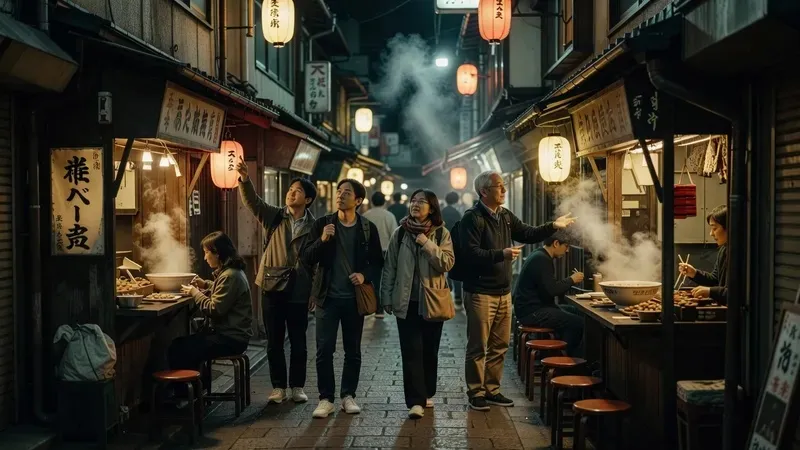
In Osaka food culture, ramen is not a street food in the same sense as takoyaki, kushikatsu, or okonomiyaki. It's served at sit-down counters, requires a proper bowl and chopsticks, and tends to function as a meal closer — the final stop of an evening after izakaya drinks and shared plates.
Most guided osaka street food tours end near or in the Namba area, leaving you well-positioned for a late-night ramen stop at one of the Namba or Ura Namba counter shops. The Hungry Osaka tour ends near Dobutsuen-mae Station, three stops from Namba. The Ura Namba izakaya tour ends in the Dotonbori area. Both leave you within walking distance of excellent ramen options.
For a ramen-as-street-food experience — eating standing or at a minimal counter with no full table service — the Shin-Umeda Food Hall is the closest equivalent to a ramen market, with multiple options in a single location.
- Ramen in osaka culture: a meal closer after izakaya, not a daytime snack
- Best time: 9 PM–midnight, after guided tours end and izakaya crowds thin
- After the Hungry Osaka tour: 3 stops to Namba from Dobutsuen-mae, multiple ramen shops within 5 minutes
- After the Ura Namba tour: guide recommends specific late-night ramen spots during the tour
- Ramen + street food day itinerary: morning (Kuromon Market) → afternoon (Dotonbori) → evening (osaka food tour) → late night (ramen)
What to Order at an Osaka Ramen Shop
Ordering at an osaka ramen counter follows a simple protocol: most shops have a ticket machine (jidohanbaiki) at the door. Insert cash or card, select your bowl, and hand the ticket to the staff. If there is no machine, you order at the counter.
Indicate any modifications (extra noodles, less fat, extra chashu) when ordering or by pointing at a modification card if available.
- Ticket machine: standard at most osaka ramen shops — pay before sitting
- Default order: the house original at the lowest price — almost always the chef's intended bowl
- Kaedama: order extra noodles in your remaining broth — say 'kaedama' when near the end
- Free toppings common at osaka shops: garlic press, sesame seeds, pickled ginger — use at the counter
- Soup manners: slurping is correct and shows appreciation in japan — it cools the broth and releases flavour
Osaka Ramen Tour — FAQ
Is osaka ramen good compared to Tokyo or Fukuoka ramen?
Yes — but it's different in character. Osaka ramen prioritises light, clear broths and delicate seasoning rather than intensity. If you prefer tonkotsu or heavy miso ramen, Fukuoka and Sapporo are better destinations. If you prefer clean, precise flavours — the same preference that makes Kyoto kaiseki cuisine famous — osaka's tori chintan and shio ramen are genuinely world-class.
What is tori chintan ramen?
Tori chintan is clear chicken broth ramen — the most distinctly osaka style. It's made by simmering whole chickens at a low temperature (below boiling) for many hours to extract maximum gelatin and umami without clouding the liquid. The broth appears almost transparent but has an extremely deep, complex flavour. It's technically demanding to produce and is considered by many osaka food critics to be the region's highest ramen achievement.
Does a guided osaka street food tour include ramen?
Most guided osaka street food tours do not include ramen as a planned stop — ramen is typically a late-night independent choice after the tour ends. However, all three 3-hour tours on this site (Hungry Osaka, Goen Japan, Namba Food Tours) end near Namba with guides who provide specific ramen recommendations for after the tour. See our <a href='/blog/osaka-night-food-tour/'>osaka night food tour guide</a> and <a href='/blog/osaka-izakaya-bar-hopping-tour/'>izakaya bar hopping guide</a> for post-tour ramen spots.
Is ramen served at izakaya in osaka?
Some izakaya include ramen (usually a simple shoyu or shio bowl) as a late-menu item — it's ordered as a closing 'shime' dish after drinks and shared plates. This is not the same quality as a dedicated ramen shop, but it's part of the authentic osaka izakaya experience. The Ura Namba bar hopping tour visits izakaya that may serve ramen as part of the menu.
What time do ramen shops open in Osaka?
Most osaka ramen shops open for lunch (11 AM–2 PM) and dinner (6 PM–midnight or later). Some Namba and Shinsaibashi shops operate 24 hours on weekends. The best bowl is usually served at opening time — the broth is freshest then, and the first hour of service represents the chef's full-strength preparation.
Can vegetarians eat ramen in Osaka?
Vegetarian ramen is available in osaka but requires specifically finding shops that offer it — the default broth in virtually all osaka ramen is either chicken or pork-based, with fish-derived dashi often added. Several Namba shops now advertise vegetarian or vegan ramen options; search for '精進ラーメン' (shojin ramen) or '野菜ラーメン' (vegetable ramen). This is not common across the city — confirming before you queue is advisable.